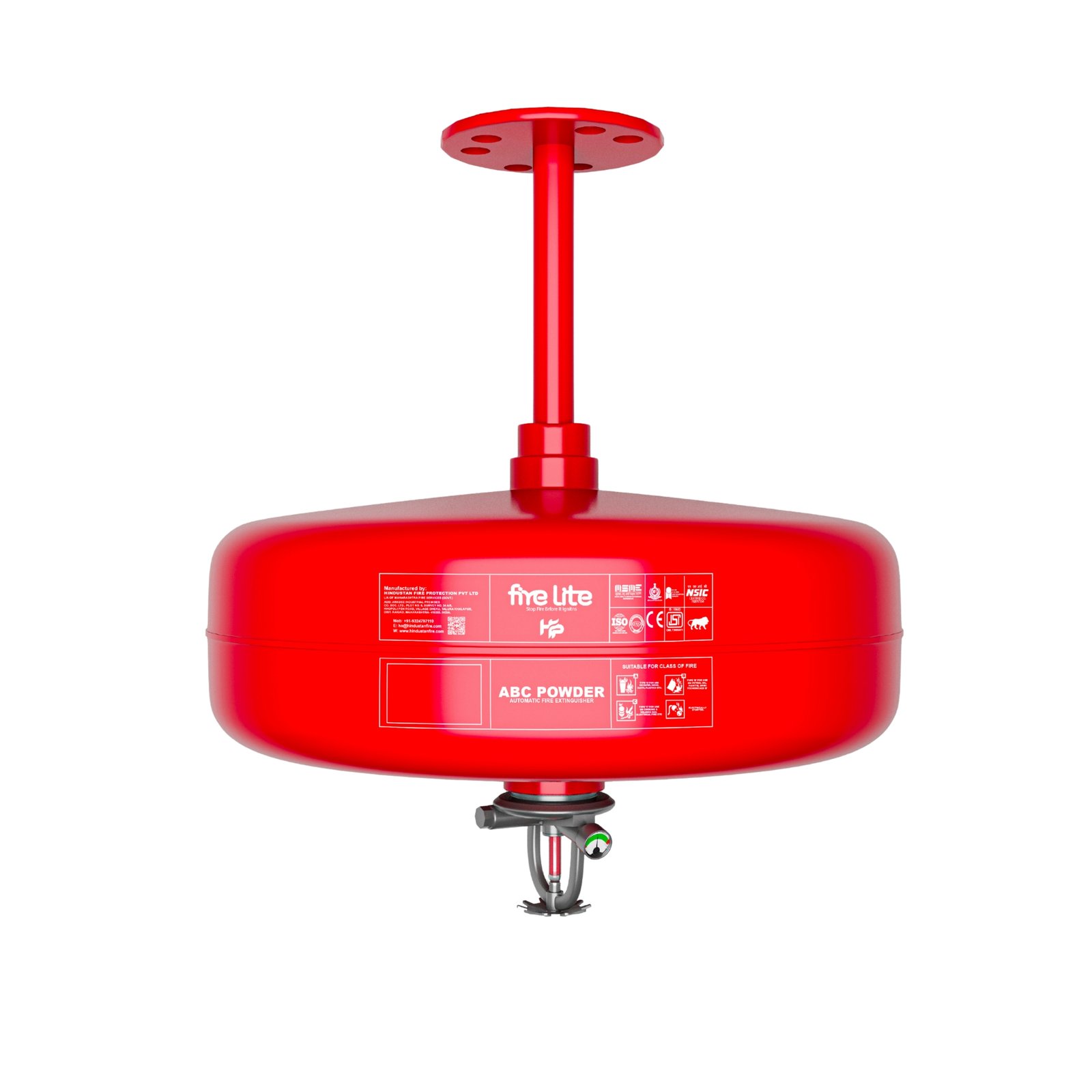
TOTAL FLOODING SYSTEM
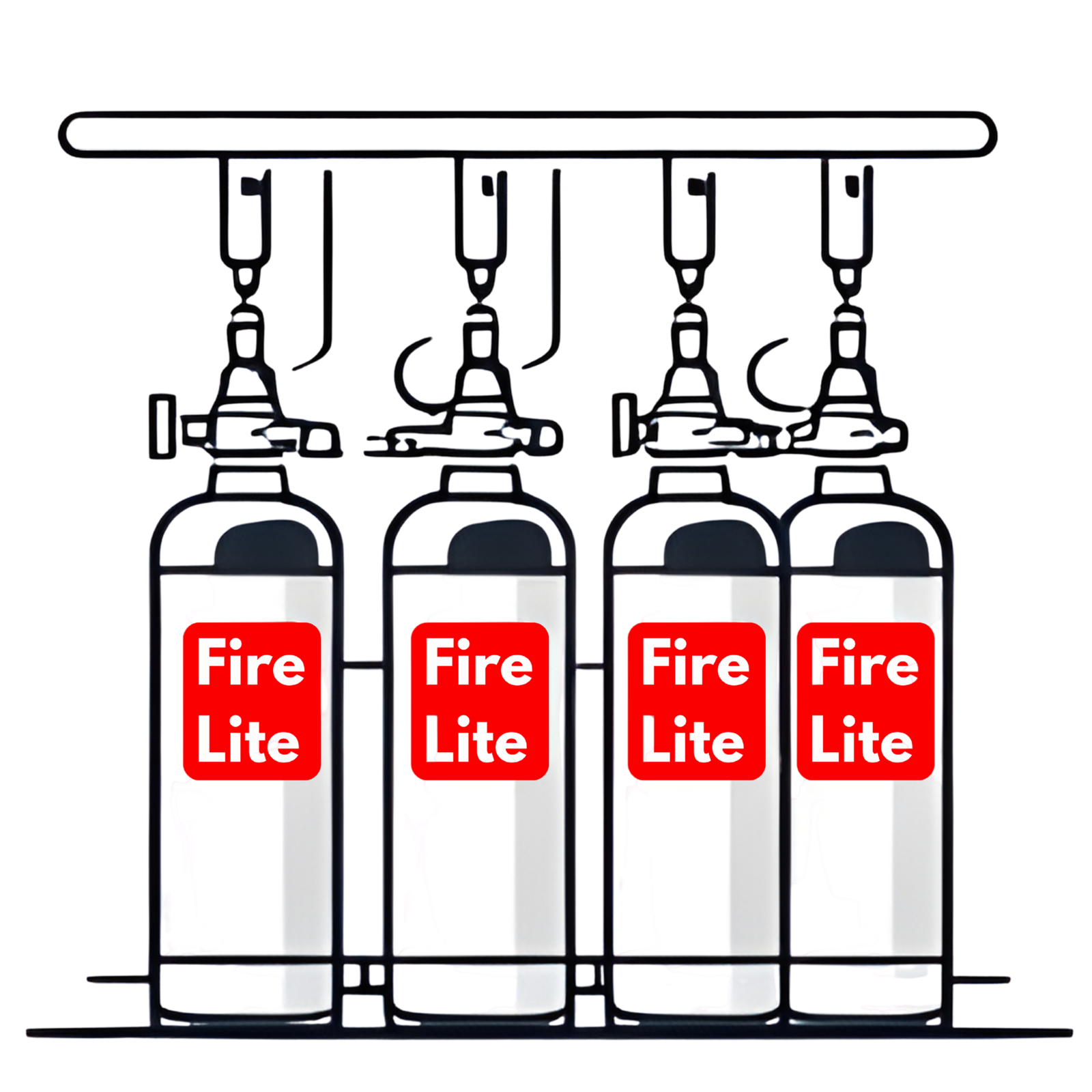
TOTAL FLOODING SYSTEM
A Total Flooding Fire Suppression System is designed to protect enclosed spaces by rapidly releasing a fire suppression agent that fills the entire protected area. Unlike localized fire suppression systems, total flooding systems distribute the extinguishing agent throughout the room, effectively suppressing fire by reducing oxygen levels or interrupting the combustion process.
How a Total Flooding System Works
A total flooding system operates by detecting a fire at its earliest stage and releasing a fire suppression agent into the entire protected space. The process typically follows these steps: Fire Detection Smoke or heat detectors identify early signs of fire. Automatic Activation Once confirmed, the system automatically triggers the suppression mechanism. Agent Release A clean agent or gas is discharged into the room through a network of nozzles. Fire Suppression The agent quickly spreads throughout the space, suppressing the fire by either removing heat or reducing oxygen concentration. This rapid response helps prevent fire from spreading and minimizes damage to equipment and infrastructure.
Key Benefits of Total Flooding Systems
Fast Fire Suppression
The system releases the extinguishing agent quickly, allowing fires to be suppressed in their early stages.
Protection for Sensitive Equipment
Clean agents used in total flooding systems do not leave residue and are safe for electronic equipment.
Minimal Downtime
Since the system does not rely on water, it prevents equipment damage and reduces operational disruption.
Comprehensive Coverage
The extinguishing agent spreads throughout the entire room, ensuring that the fire is controlled effectively.
Automatic Operation
The system activates automatically once a fire is detected, providing immediate protection even when no personnel are present.
Where Total Flooding Systems Are Used
Total flooding fire suppression systems are ideal for protecting enclosed areas containing valuable or sensitive equipment.
Common applications include:
Data centers and server rooms
Electrical control rooms
Telecommunication facilities
Power plants and substations
Control panels and switchgear rooms
Laboratories and research facilities
Archives and document storage rooms
Industrial machinery rooms
These environments require fire protection that extinguishes fire without damaging critical equipment.
Schedule a visit
Schedule a visit today for the best care for your pet. Our expert team is ready to provide personalized attention and treatment.
Stay Connected With Us On Social Media.
A properly designed Total Flooding Fire Suppression System can prevent devastating fire damage and protect valuable assets.
If you are looking for a reliable fire protection solution for your facility, our team at HFP Group is ready to assist you.
Contact us