
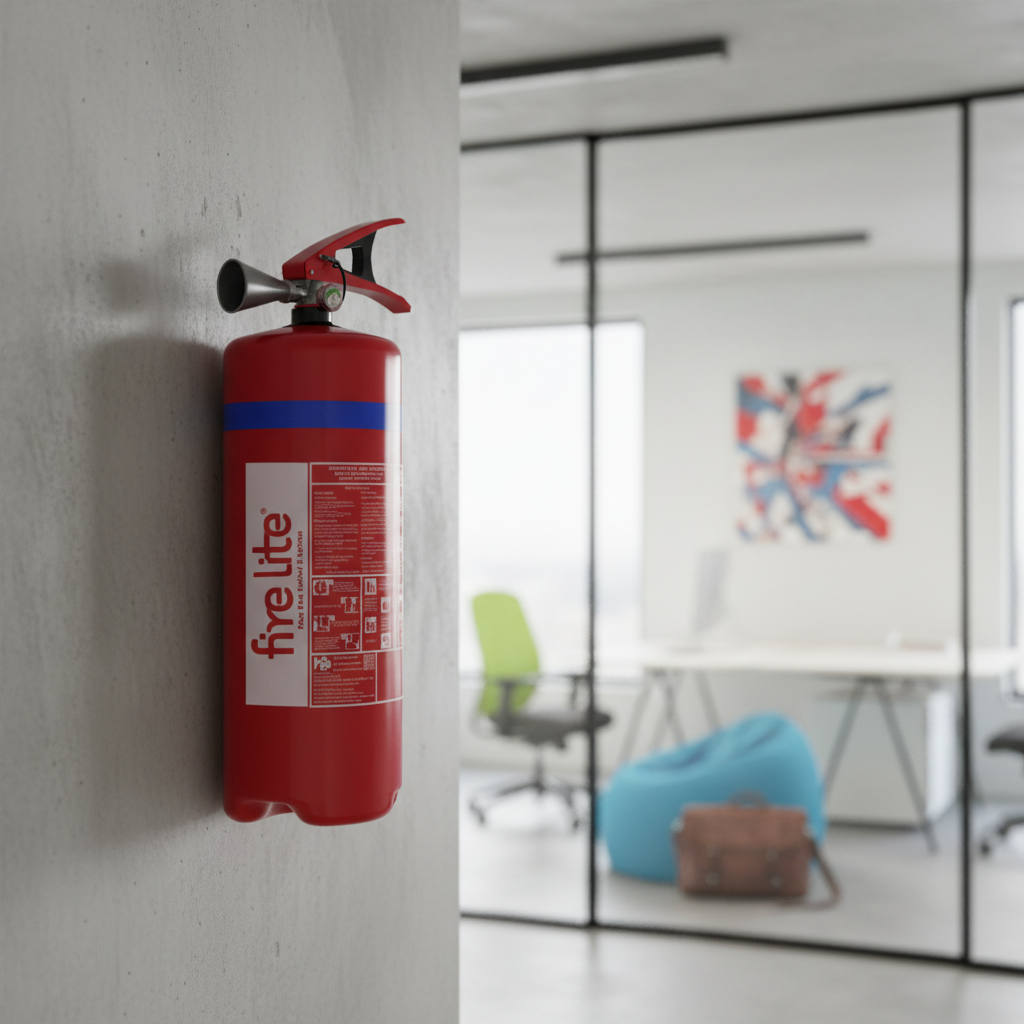
Fire Extinguisher: Importance, Types, Uses, and Safety Guide
Fire is one of the most dangerous hazards that can cause severe damage to life, property, and business operations. Whether it is a residential building, office, factory, or commercial complex, fire safety is a critical requirement everywhere. A fire extinguisher is the first line of defense in controlling small fires before they turn into major disasters. Understanding the importance, types, and correct usage of fire extinguishers can help prevent accidents and save lives.
Why Fire Extinguishers are Important
Fire extinguishers are essential because they help control fire at the initial stage. When used correctly, they can prevent fire from spreading and reduce potential damage. In workplaces and industries, timely use of fire extinguishers can protect machinery, equipment, and important documents.
They also provide confidence and preparedness during emergencies. Having properly installed and maintained fire extinguishers ensures quick response, reduces panic, and improves overall safety standards. In many regions, fire extinguishers are mandatory as per building and industrial safety norms.


Classes of Fire
Before selecting a fire extinguisher, it is important to understand the different classes of fire:
- Class A: Fires involving solid combustible materials such as wood, paper, cloth, and plastics.
- Class B: Fires caused by flammable liquids like petrol, diesel, oil, and solvents.
- Class C: Fires involving electrical equipment and energized appliances.
- Class D: Fires caused by combustible metals such as magnesium, sodium, aluminum, and titanium.
- Class K (or F): Fires involving cooking oils and fats, usually found in commercial kitchens.
Choosing the right extinguisher depends on the type of fire risk present in the area.
Types of Fire Extinguishers
There are several types of fire extinguishers designed for specific fire hazards:
1. Water Fire Extinguisher
Water extinguishers are mainly used for Class A fires involving solid combustible materials. They work by cooling the burning material and reducing the temperature below ignition point.
2. Foam Fire Extinguisher
Foam extinguishers are suitable for Class A and Class B fires. They form a thick foam blanket over flammable liquids, preventing oxygen supply and suppressing flames effectively.
3. Dry Chemical Powder (DCP) Fire Extinguisher
DCP extinguishers are versatile and can be used for Class A, B, and C fires. They interrupt the chemical chain reaction of fire and are widely used in industrial and commercial environments.
4. CO₂ Fire Extinguisher
Carbon dioxide extinguishers are ideal for electrical fires and flammable liquid fires. They work by displacing oxygen and cooling the fire. Since CO₂ leaves no residue, it is suitable for sensitive equipment like servers and control panels.
5. Clean Agent Fire Extinguisher
Clean agent extinguishers use environmentally friendly gases that leave no residue and do not damage electronic equipment, documents, or machinery. They are commonly installed in data centers, laboratories, and telecom rooms.
6. Class D Fire Extinguisher
These extinguishers are specially designed to handle metal fires. They use dry powder agents that absorb heat and prevent re-ignition.
7. Class K Fire Extinguisher
Used in commercial kitchens, Class K extinguishers are effective against cooking oil and grease fires. They create a soapy layer that cools and smothers the flames.
How to Use a Fire Extinguisher – PASS Technique
Using a fire extinguisher correctly is very important. The widely recommended method is the PASS technique:
- P – Pull the pin: This unlocks the extinguisher.
- A – Aim at the base of the fire: Target the source, not the flames.
- S – Squeeze the handle: Release the extinguishing agent.
- S – Sweep side to side: Cover the fire area until flames are out.
Always maintain a safe distance and ensure a clear exit path while using the extinguisher.
Where Fire Extinguishers Should be Installed
Fire extinguishers should be installed in easily accessible and visible locations. Common installation areas include:
- Office corridors and common areas
- Electrical rooms and server rooms
- Warehouses and storage areas
- Industrial machinery zones
- Parking basements and generator rooms
- Commercial kitchens and food courts
- Residential building staircases
- Petrol pumps and fuel storage areas
Proper signage and mounting height should be maintained for quick accessibility.
Maintenance and Inspection
Regular inspection and maintenance of fire extinguishers are essential to ensure proper functioning during emergencies. Pressure levels, seals, nozzles, and expiry dates should be checked periodically. Annual servicing by certified professionals is recommended to maintain compliance with safety standards.
Neglecting maintenance can result in extinguisher failure at the time of need, which can lead to severe consequences.
Fire Safety Awareness and Training
Installing fire extinguishers alone is not enough. Employees, residents, and staff should be trained on fire safety procedures, emergency evacuation plans, and correct extinguisher usage. Conducting regular fire drills improves response time and reduces panic during real incidents.
Organizations that invest in fire safety training create a safer working environment and demonstrate responsibility towards people and assets.
Conclusion
Fire extinguishers are a vital component of any fire protection system. They provide immediate response capability, reduce damage, and help save lives. Selecting the right type of extinguisher, installing it in appropriate locations, and maintaining it regularly are key steps toward effective fire safety management.
In today’s world, where fire hazards can occur unexpectedly, being prepared with proper fire safety equipment is not just a legal requirement but a moral responsibility. Investing in reliable fire extinguishers and safety systems ensures peace of mind, business continuity, and long-term protection for everyone.

Add comment